Inventory can wait.
Canned goods, boxed goods, planned drives, and storage-friendly donations can move through slower systems.
Every day, safe prepared and perishable food runs out of time. NEEDS Foundation exists for the food that normal donation channels cannot easily hold: fresh, short-window, operationally awkward, and still worth serving.
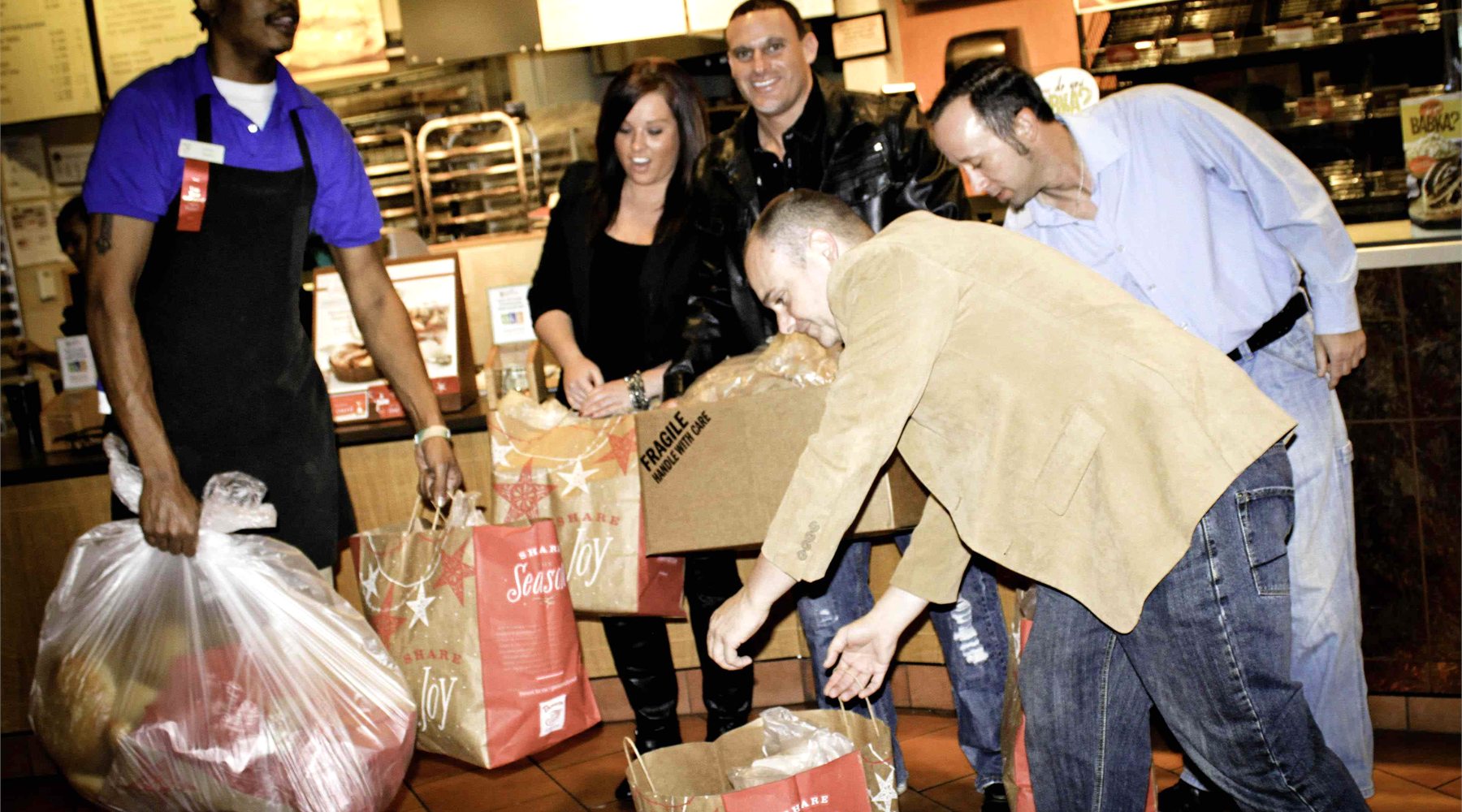
Oklahoma has families, veterans, seniors, children, and neighbors who need food. Oklahoma also has kitchens, grocers, bakeries, caterers, and food-service operators with safe food that can no longer sit on a shelf, wait for a standard drive, or survive a slow process.
The foundation's historical pitch said it plainly: this is not a traditional food bank. It is something different. NEEDS bridges the gap between hunger and food waste by solving the time-and-routing problem in the middle.
When food is still good but the window is short, logistics becomes the mission.
Traditional food-bank flows are essential, but many of them are built for shelf-stable goods, scheduled drives, and predictable inventory. NEEDS focuses on the harder lane: safe food that needs a decision, a route, and a receiving partner now.
Canned goods, boxed goods, planned drives, and storage-friendly donations can move through slower systems.
Prepared meals, bakery, produce, dairy, deli, refrigerated, short-dated, and event surplus need fast qualification, matching, and delivery.
The campaign is strongest when people can see the bottleneck: food is available, need is real, but the bridge must be funded and operated.
The provider pitch is not only "do good." It is "do good business." NEEDS helps operators turn safe shrinkage into documented donation activity, review potential enhanced deductions with advisors, and make use of covered liability protections for good-faith food donations.
A food provider needs a safe pilot. A receiver needs the right food at the right time. A sponsor needs to know what capacity they unlock. A supporter or amplifier needs one useful next action.
Grocers, restaurants, bakeries, caterers, commissaries, event kitchens, prepared-food retailers, and multi-location operators.
View Food Providers packageCommunity organizations, meal providers, shelters, youth-serving partners, churches, pantries, and distribution sites with clear intake windows.
View Receiving Partners packageCorporate sponsors, foundations, grantmakers, route sponsors, equipment funders, civic partners, and donor-advised funds.
View Sponsors / Funders packageLocal media, creators, business associations, chambers, food-service networks, neighborhood publishers, and campaign partners.
View Amplifiers / Media packageIndividual donors, volunteers, civic supporters, local businesses, and people who can introduce food providers or receiving partners.
View Community Supporters packageThe story only works if the operations work. A donor opportunity should not become an active route until supply, timing, receiving capacity, handling rules, and documentation are clear.
Food type, cadence, handling window, pickup constraints.
Capacity, intake window, category fit, coordinator.
Pickup, transfer, storage if needed, delivery confirmation.
Source, receiver, date, exceptions, next step.
Food providers will not participate at scale unless the bridge is reliable and the business case is clear. Sponsors can fund the specific bottlenecks that let operators feed families while managing shrinkage, fiduciary goals, routes, cold-chain readiness, equipment, staff coordination, receiver onboarding, and reporting.
Sponsor a bottleneck